2023 NEW BEDFORD AND FAIRHAVEN CHALLENGE
Historic Communities on the Water
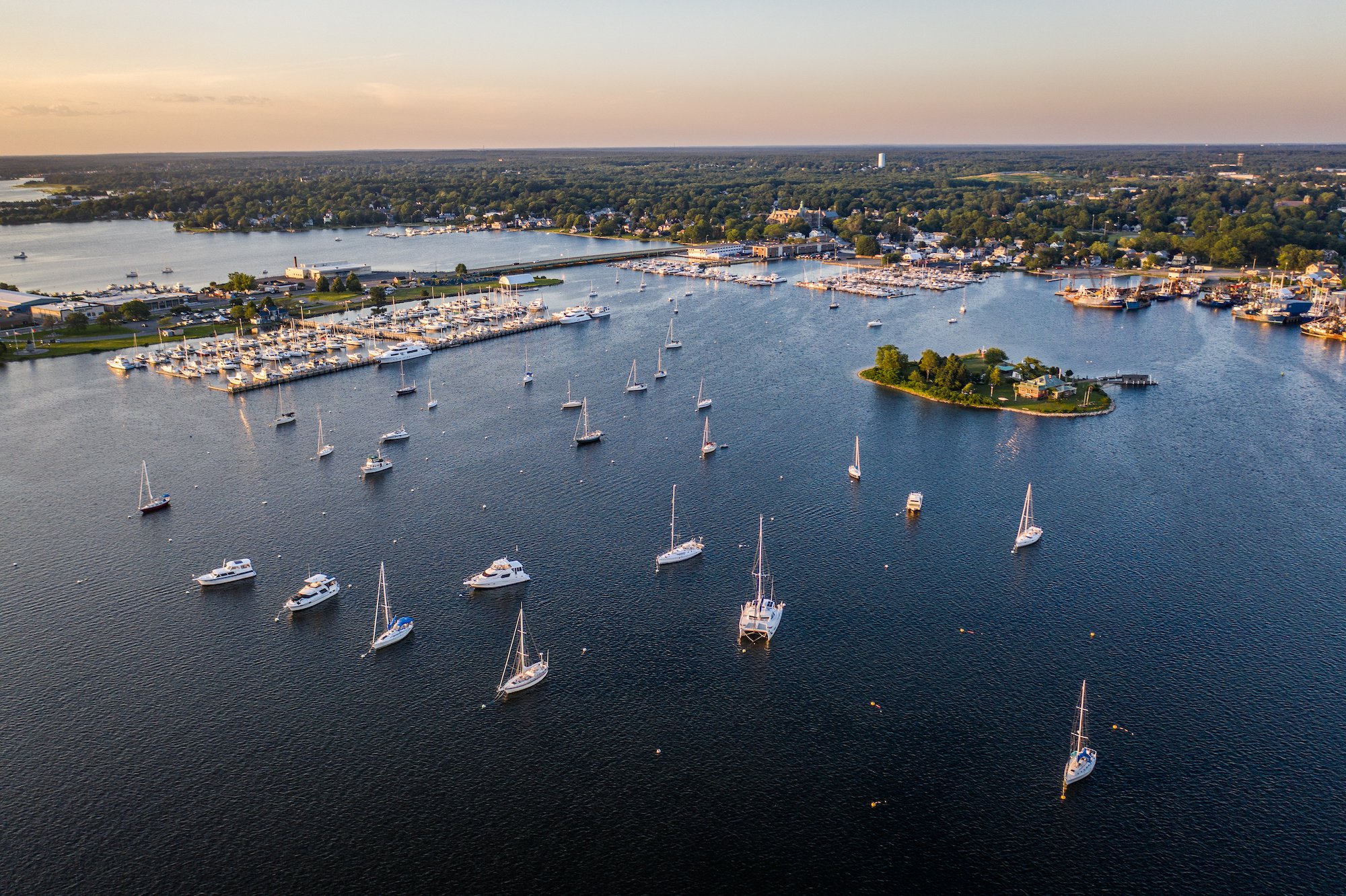
New Bedford is a historical and cultural hub in the heart of the South Coast that was once the whaling capital of the world. The small city is now home to the highest earning fishing port in the country, with annual revenue of $11 billion. Fairhaven, famously tied to Herman Melville and the whaleship Acushnet, has developed an economy that supports many of the fishing, ferry and recreational vessels around the port.
Massachusetts state planning recommendations for sea level rise projections under a high emission scenario mean that the South Coast of Massachusetts, which includes New Bedford and Fairhaven, would experience 1.2 feet of sea level rise by 2030, 2.5 feet by 2050, 4.3 feet by 2070 and 7.8 feet by 2100. For more than 50 years, the New Bedford Hurricane Barrier—which has been called a “18,000-foot-long insurance policy against tidal flooding”—has provided New Bedford residents with a sense of security. And though it has done its job to protect against many hurricanes and storms since 1966, the Hurricane Barrier has not yet been tested with the kind of storm it was designed to withstand, a 1938-esque Category 3 hurricane. What that means for the future of the port and neighboring communities remains to be seen.
In addition to the threats of climate change and sea level rise, New Bedford and Fairhaven are facing major challenges with affordable housing and gentrification, waste management and ecosystem health. Other priorities for many local leaders are the transition to clean energy, primarily the balance and harmonious coexistence of the fishing industry and the offshore wind industry, development vs. greenspace, storm and wastewater management.
Set against the backdrop of social and environmental inequities, along with the current and future impacts of climate change on all systems and people, these communities are undoubtedly living in a moment of transformation. This transformation will require both a recognition of the changing landscapes we inhabit, as well as the need for new strategies to ensure an equitable and effective transition to the future. How can a design studio reimagine the social, ecological and economic relations embedded in design to challenge the status quo and meet the needs of the community? How will the many diverse communities with their own values adapt? How might the innovative design thinking of students help business owners, fishermen, families and residents consider adaptive waterfronts that embrace healthy, sustainable and equitable systems around water?